
Roof Cleaning in Florida: What Causes Black Streaks and How to Remove Them Safely
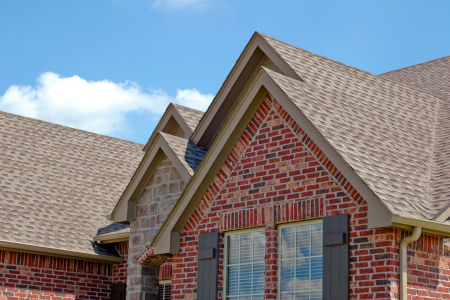
If you live in Niceville, FL, you know our mix of heat, humidity, bay breezes, and shade can leave roofs looking streaked and tired. Those black streaks are more than a cosmetic issue. They signal the perfect conditions for algae and other growths that hold moisture on your shingles. The safest and most effective answer is soft wash roof cleaning performed by a trained professional who understands our Gulf Coast climate.
This guide explains what those stains really are, why they spread so quickly in Florida, and how a careful process removes them without risk to your roof, plants, or siding. Along the way, you will see where soft washing outperforms high pressure and how a smart maintenance rhythm keeps your home looking sharp across neighborhoods like Bluewater Bay, Swift Creek, and Rocky Bayou.
Why Florida Roofs Get Those Black Streaks
The most common culprit behind black roof streaks in the Southeast is a hardy algae often called gloeocapsa. It thrives in warm, damp climates and feeds on the limestone fillers found in many asphalt shingles. Spores travel on wind and settle where shade and moisture linger, especially on north and east roof slopes. Over time, the algae forms dark, streaky patches that spread downslope with rainwater.
Florida gives algae a head start. Afternoon storms splash dust and pollen onto shingles. Humidity slows the roof’s ability to dry. Oaks and pines drop debris that traps moisture in valleys and around vents. Near Choctawhatchee Bay, fine salt film can cling to surfaces and collect grime. Put it all together and you have a stain factory on any roof that is not cleaned consistently.
What Black Streaks Do to Your Roof
Streaks are not just an eyesore. Algae and other growths can hold moisture against shingles, which isn’t good for long-term performance. Trapped moisture plus heat can speed up wear and make your HVAC work harder as dark stains absorb more sunlight.
- Shorter roof life: Moisture-loving growths stress protective granules on shingles.
- Higher heat load: Dark stains soak up sun and can raise attic temperatures.
- Declining curb appeal: Streaky roofs make the whole home look older than it is.
While algae is the usual problem, we also see lichen and mildew in shaded, tree-lined areas of Niceville. They take root in small imperfections and are harder to remove if left alone for long.
How to Remove Them Safely With Soft Washing
Soft washing pairs low-pressure water with a targeted roof-cleaning solution that breaks down organic growths at their source. Instead of blasting the surface, the solution does the work, then a gentle rinse clears away the residue. This protects shingles, flashing, skylight seals, and paint while delivering a uniform, long-lasting clean.
High-pressure methods can dislodge shingle granules, drive water where it shouldn’t go, and scar coatings. That is why reputable roof pros in our area favor soft washing for delicate materials. If you want more context on how smart exterior cleaning protects your home’s value, this related post is a helpful read: how pressure washing protects your property investment.
- Low pressure preserves shingle granules and roof coatings.
- Solutions target algae, lichen, and mildew so results last longer.
- Controlled rinsing and plant protection keep landscaping safe.
Never allow anyone to use high pressure on shingles. On delicate roofing, force is not your friend. A soft wash approach treats the cause and keeps your roof system intact.
Florida Factors That Speed Up Roof Staining
Niceville’s microclimates create different wear patterns even on the same street. In Bluewater Bay and Rocky Bayou, mature trees cast deep shade that stays damp after pop-up storms. In Deer Moss Creek, new construction areas often have open exposure and lighter stains driven more by pollen and dust. Close to the bay or bayous, a light salt film can help grime stick to surfaces and make streaks appear sooner on lighter shingles.
Homes with lots of valleys, skylights, or dormers tend to collect debris in corners where moisture lingers. Dark shingles hide stains at first, but they still hold heat. Light shingles show streaks faster yet reflect more sunlight once clean. The right cleaning plan considers all these pieces so the finish looks even from ridge to gutter.
Soft Wash Roof Cleaning vs. High Pressure
Both methods use water, but the technique and outcomes are very different. Here is a quick comparison to help you understand why soft washing is preferred for roofing.
- Soft washing treats the source: solutions break down algae so stains do not rebound quickly.
- High pressure skims the surface: it may lighten stains today but can rough up shingles and shorten life.
- Soft washing is controlled: lower pressure protects seals, vents, and skylight edges.
- High pressure risks overspray: it can force water behind trim and under laps.
When results, safety, and roof life matter, soft washing wins. That is why homeowners across Niceville choose a professional roof cleaning service built around low pressure and careful rinsing.
When to Schedule Roof Cleaning in Niceville, FL
There is no one-size-fits-all schedule, but most local roofs benefit from cleaning every 12 to 24 months. Shade, roof color, and nearby trees are the big variables. Watch for early signs: faint gray bands below vents, a darker sheen on the north slope, or streaks appearing after a run of humid days.
Timing tips for our area:
- Plan after heavy spring pollen so you start with a clean surface.
- Aim before the most humid part of summer so afternoon storms do not feed fresh growth.
- After major wind events, inspect from the ground for trapped debris in valleys and along gutters.
If you receive an HOA notice about roof stains, act quickly. Early cleaning is easier on the roof and helps you avoid repeat letters.
What to Expect From a Professional Service
The best roof cleaning feels simple for the homeowner but is very detailed behind the scenes. A typical visit includes:
- Pre-inspection from the ground and accessible edges to note stains, shade lines, and sensitive areas.
- Property protection with plant pre-wetting and light covers as needed.
- Measured application of a roof-safe cleaning solution to target algae and lichen.
- Controlled, low-pressure rinsing to reveal an even, clean finish.
- Clean-up of walkways, siding splash, and gutters for a tidy end result.
Many Niceville homeowners pair roof care with complementary services for a complete refresh. If you notice overflow lines or drip marks at the eaves, it can help to add gutter cleaning during the same visit so edges dry faster after storms.
Avoid DIY chemical mixing or ladder work. Roof chemistry, runoff control, and safe footing are best left to trained crews with the right gear and protective practices.
How Long Results Last in Our Climate
With a proper soft wash, most roofs in Niceville stay clean-looking for a year or two. Shade and tree cover shorten that window; sunnier lots stay bright longer. Light maintenance like keeping gutters clear and trimming branches improves airflow so shingles dry faster after rain. The goal is not just a clean look today, but a roof that weathers Florida’s seasons without unnecessary stress.
Ready for a Cleaner Roof That Lasts?
If you are comparing options for roof cleaning in Florida, choose a team that respects your home, landscaping, and roof system. All-American Pressure Cleaning Services LLC uses a soft wash process tailored to our coastal climate so stains are treated at the source and your shingles stay protected. To get started, call 850-357-4319 or book a convenient time online.
When you are ready, schedule professional roof algae removal with a crew you can trust. Your roof will look brighter, your home will feel newer, and you will have one less chore on your list.

Get Results From a Proven Local Company Contact Our Exterior Cleaning Company in Niceville Today!